
매주 금요일, 우리는 교실 한편에 모여 질문을 던진다. 정답을 찾기 위한 질문이 아니라, 불편하지만 외면할 수 없는 질문들이다. 내가 회장으로 활동하고 있는 Seaquam Rightnow (Human Rights Club)은 매주 금요일 정기적으로 모임을 갖는다.
이 모임의 특징은, 정해진 커리큘럼이나 일방적인 강의가 아니라 클럽 멤버들이 돌아가며 자신이 관심 있는 이슈를 직접 가져와 발표하고 토론을 이끈다는 점이다. 발표자는 단순히 사건을 소개하는 데서 멈추지 않고, 그 이슈를 인권의 관점에서 재해석하고 토론 질문을 설계한다. 예를 들어, 한 주에는 홍콩의 아파트 대형 화재 사건을 다루었다.
우리는 이 사건을 단순한 ‘사고’로 볼 수 있는지, 아니면 주거권과 안전권이라는 사회권의 문제로 보아야 하는지 토론했다. 화재의 책임은 개인에게 있는지, 건물주에게 있는지, 혹은 제도를 설계한 사회 전체에 있는지에 대해 의견이 엇갈렸다. “어디까지 책임을 물을 수 있는가”라는 질문은 쉽게 결론 나지 않았지만, 그 과정 자체가 우리가 인권을 공부하는 방식이었다. 또 다른 주에는 국경과 국가 감시(national surveillance)를 주제로 토론이 진행됐다.
국경 통제는 어디까지가 보호이고, 어디부터가 인권 침해가 되는가. 안전이라는 명분이 개인의 자유와 존엄을 어디까지 제한할 수 있는지에 대해 치열한 논의가 오갔다. 이외에도 우리는 AI 기술과 인권, 북한 인권 문제, 미국의 ICE 단속과 이민자 인권, 감시 기술과 프라이버시, 과학기술 발전 속에서 소외되는 집단의 권리 등 문과·이과, 국내·국제를 넘나드는 다양한 주제를 인권과 연결해 매주 토론하고 있다.
중요한 것은 주제의 범위가 아니라, 모든 사안을 인간의 존엄과 권리라는 기준으로 다시 질문해 본다는 점이다. 이런 토론들이 쌓이면서 자연스럽게 한 가지 고민이 생겼다. “우리는 인권을 말하고 있지만, 우리의 일상은 그 말과 연결되어 있는가?”
이 질문은 연말이 다가오며 더 분명해졌다. 매년 반복되는 크리스마스 시즌의 기부 행사들, 특히 학생들이 단순히 도넛을 재판매하는 방식의 펀드레이징에 대해 우리는 회의감을 느꼈다. 기부 자체는 의미 있지만, 우리가 토론해 온 ‘존엄’, ‘책임’, ‘참여’라는 가치가 그 방식에 담겨 있는지는 확신할 수 없었기 때문이다. 그래서 우리는 방식을 바꾸기로 했다.
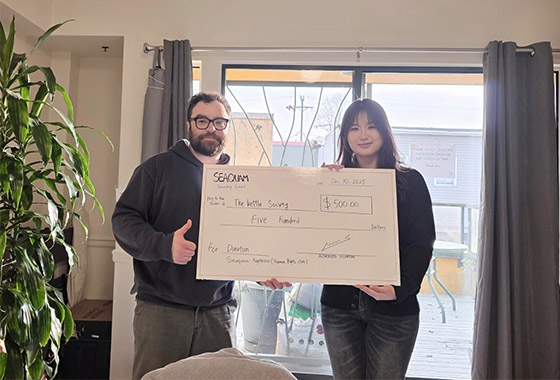
학생들이 직접 자신의 시간과 재능을 기부하는 크리스마스 자선 행사, Christmas Charity Fair를 기획했다. 누군가는 크로쉐 작품을 만들고, 누군가는 스티커를 디자인했으며, 또 다른 학생들은 크리스마스 과자 패키지를 직접 구성했다. 약 40명의 학생이 각자의 방식으로 참여했고, 그 결과 약 500달러의 기부금을 모을 수 있었다. 우리는 이 수익을 The Kettle Friendship Society에 기부했다. 이 단체는 정신질환을 겪는 이들이 지역사회 안에서 존엄을 유지하며 살아갈 수 있도록 주거와 회복을 지원한다. 정신건강 역시 우리가 토론해 온 인권의 한 영역이었고, 말로만 논의하던 가치를 현실의 선택으로 옮긴 첫 시도였다.
기부 전달식을 마치며 나는 다시 금요일의 교실을 떠올렸다. 그곳에서 시작된 질문들이 결국 교실 밖으로 나와 사회와 연결되었다는 사실이, 이 활동의 가장 큰 의미라고 생각한다. 인권은 거창한 구호가 아니라, 어떤 문제를 외면하지 않을 것인지, 어떤 방식으로 책임을 나눌 것인지, 그리고 그 질문을 행동으로 옮길 용기가 있는지의 문제다. 매주 금요일의 토론은 끝났지만, 우리가 던진 질문은 아직 진행 중이다.
Human Rights Do Not End at Discussion
Every Friday, we gather in one corner of a classroom to ask questions. Not questions that seek easy answers, but questions that are uncomfortable; questions we cannot afford to ignore.
As the president of Seaquam Rightnow (Human Rights Club), I take part in weekly Friday meetings where discussion, not instruction, defines our work. There is no fixed curriculum and no one-way lectures. Instead, club members take turns bringing forward issues they personally care about, presenting them to the group, connecting them to human rights, and leading discussion through carefully designed questions.
The presenter does not simply describe an event. Each issue is reframed through a human rights lens, and discussion questions are crafted to challenge how we think about responsibility, dignity, and accountability.
One week, we discussed a major apartment fire in Hong Kong. We debated whether it should be understood merely as an accident, or as a violation of social rights, specifically the right to housing and safety. Responsibility was contested: Did it lie with individuals, with landlords, or with the broader system that allowed such conditions to exist? The question of “how far responsibility extends” did not yield a simple answer, but the process itself reflected how we approach human rights learning.
On another Friday, the topic was borders and national surveillance. We questioned where protection ends and human rights violations begin. How much freedom and dignity can be restricted in the name of security? The discussion revealed how fragile the balance between safety and liberty can be.
Beyond these topics, our weekly discussions have explored AI and human rights, North Korean human rights issues, U.S. ICE raids and immigrant rights, surveillance technology and privacy, and the rights of marginalized groups affected by scientific and technological development. Our conversations cross disciplines and borders. What matters is not the range of topics, but our commitment to reexamining every issue through the standard of human dignity and rights.
As these discussions accumulated, a question naturally emerged: We talk about human rights, but are our daily actions connected to what we say?
That question became more pressing as the holiday season approached. We began to question the meaning of traditional Christmas fundraisers, especially those centered on simply reselling products like donuts. While fundraising itself is valuable, we were not convinced that such methods reflected the values we constantly discussed: dignity, responsibility, and meaningful participation. So we chose a different approach.
We planned a Christmas Charity Fair where students donated not products, but their time, skills, and creativity. Some students crocheted handmade items, others designed original stickers, and others assembled Christmas snack packages. Around 40 students participated in their own ways, and together we raised approximately $500.
We donated the proceeds to The Kettle Friendship Society, an organization that supports individuals living with mental illness by helping them maintain dignity, stability, and connection within their community. Mental health had long been part of our human rights discussions, and this donation became our first attempt to translate those conversations into a concrete choice.
After the donation ceremony, I found myself thinking again of our Friday classroom. The questions that began there had moved beyond discussion and into the world outside school. That realization, to me, is the most meaningful outcome of this experience. Human rights are not grand slogans.
They are choices about which problems we refuse to ignore, how we share responsibility, and whether we have the courage to turn questions into action.
Our Friday discussions may end each week, but the questions we ask are still ongoing.